Navigating CRM system pricing can feel like decoding a secret language. With so many options, tiers, and hidden costs, it’s easy to get overwhelmed. But understanding the real numbers behind CRM investments is the first step to smarter, more strategic decisions.

Understanding CRM System Pricing Models

When businesses begin their search for a Customer Relationship Management (CRM) system, one of the first—and often most confusing—hurdles is understanding how pricing works. Unlike traditional software with a single upfront cost, modern CRM platforms use dynamic, tiered, and usage-based models that can vary dramatically between vendors. Knowing the structure behind CRM system pricing is essential to avoid budget overruns and ensure long-term scalability.
Subscription-Based Pricing
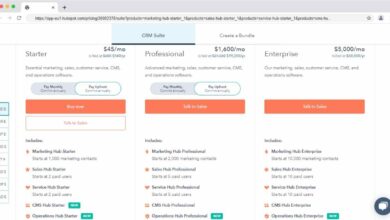
Most modern CRM systems operate on a subscription model, typically billed monthly or annually per user. This pay-as-you-go approach allows businesses to scale up or down based on team size and needs. For example, Salesforce offers plans starting at $25/user/month, while HubSpot’s free tier can scale to over $1,200/month for enterprise-level features.
- Flexible for startups and growing teams
- Often includes automatic updates and support
- Can become expensive with large user bases
According to Gartner’s 2023 Market Guide for Sales CRM, subscription models now dominate over 90% of CRM deployments due to their predictable billing and low entry barriers.
Per-User vs. Per-Feature Pricing
CRM system pricing often splits into two main categories: per-user and per-feature. Per-user pricing charges based on the number of individuals accessing the system, while per-feature pricing unlocks advanced tools (like automation or analytics) at additional costs.
For instance, Zoho CRM charges $14/user/month for its standard plan but adds $35/user/month for its top-tier “Enterprise” plan, which includes AI-powered forecasting and advanced workflow automation. This dual-layer pricing can quickly escalate costs if not carefully managed.
“The real cost of a CRM isn’t the sticker price—it’s the hidden layers of add-ons and integrations that most businesses don’t anticipate.” — CRM Industry Analyst, TechCrunch
Flat-Rate and Unlimited Plans
Some vendors, like Freshsales (by Freshworks), offer flat-rate pricing with unlimited users on certain plans. This model can be highly cost-effective for larger teams, especially in sales-heavy organizations. However, these plans often limit features or support levels, so they’re not always the best value.
CRM system pricing – CRM system pricing menjadi aspek penting yang dibahas di sini.
For example, Freshsales’ Growth plan costs $47/month for unlimited users but lacks advanced reporting and multi-channel engagement tools found in higher tiers. Businesses must weigh user count against functionality when evaluating such offers.
Factors That Influence CRM System Pricing
CRM system pricing isn’t arbitrary. Multiple factors shape the final cost, from deployment type to integration complexity. Understanding these variables helps businesses forecast expenses more accurately and avoid unpleasant surprises down the road.
Deployment Type: Cloud vs. On-Premise
Cloud-based CRMs dominate the market due to their lower upfront costs and easier maintenance. Providers like Microsoft Dynamics 365 and Oracle CX manage hosting, security, and updates, passing those costs into monthly subscriptions.
On-premise solutions, while less common today, require significant capital investment in servers, IT staff, and licensing. For example, SAP CRM on-premise can cost over $100,000 in initial setup, plus annual maintenance fees of 17-22%. While offering more control, they’re rarely cost-effective for SMEs.
- Cloud: Lower upfront cost, scalable, subscription-based
- On-premise: Higher control, higher initial cost, long-term ownership
As noted by Forbes Tech Council, over 85% of new CRM implementations are now cloud-based, driven by remote work and digital transformation.
Integration and API Costs
One of the most overlooked aspects of CRM system pricing is integration. Connecting your CRM to email, marketing automation, ERP, or e-commerce platforms often requires APIs, middleware, or third-party tools like Zapier or MuleSoft.
While basic integrations may be included, complex workflows or high-volume data syncing can incur extra fees. For example, Salesforce charges for API call limits beyond a certain threshold, and MuleSoft integration can add $500–$2,000/month depending on complexity.
CRM system pricing – CRM system pricing menjadi aspek penting yang dibahas di sini.
Businesses should budget 15–25% of their annual CRM spend on integration and data migration, according to a 2023 report by IDC.
Customization and Development Needs
Off-the-shelf CRM features rarely fit every business perfectly. Custom fields, workflows, dashboards, and automation rules often require development work—either through low-code tools or professional services.
Vendors like Salesforce and Microsoft Dynamics offer robust customization but charge premium rates for consulting. Salesforce’s professional services can cost $150–$300/hour, and a typical customization project runs $10,000–$50,000.
Open-source CRMs like SuiteCRM allow deep customization at lower licensing costs but shift the burden to internal IT or third-party developers, which can still add up.
Top CRM Platforms and Their Pricing Breakdown
To make informed decisions, let’s compare some of the most popular CRM platforms and dissect their CRM system pricing structures. This comparison highlights not just base costs but also scalability, feature depth, and total cost of ownership.
Salesforce: The Enterprise Benchmark
Salesforce remains the gold standard in CRM, especially for large enterprises. Its pricing starts at $25/user/month for Sales Cloud Essentials but quickly escalates to $300+/user/month for Unlimited or Einstein Analytics add-ons.
- Essentials: $25/user/month – basic sales automation
- Professional: $75/user/month – workflow rules, API access
- Enterprise: $150/user/month – advanced customization, support
- Unlimited: $300/user/month – 24/7 support, sandbox environments
Add-ons like Marketing Cloud or Service Cloud can double the cost. Implementation often requires third-party consultants, adding $20,000–$100,000+ to initial costs. Despite the high price, Salesforce’s ecosystem and AppExchange make it a powerful long-term investment.
CRM system pricing – CRM system pricing menjadi aspek penting yang dibahas di sini.
HubSpot: The All-in-One Contender
HubSpot stands out with its free CRM tier and seamless integration between sales, marketing, service, and CMS tools. Its CRM system pricing is transparent and scales with features rather than just users.
- Free: $0 – contact management, email tracking, basic reporting
- Starter: $45/month – live chat, forms, sequences
- Professional: $800/month (billed annually) – marketing automation, custom reporting
- Enterprise: $3,200/month – advanced AI, predictive content, team management
While HubSpot’s user-based pricing is less aggressive, its tiered feature locks mean businesses pay for entire modules rather than individual tools. However, its ease of use and integrated suite reduce the need for third-party tools, potentially lowering overall costs.
According to HubSpot’s official pricing page, over 180,000 companies use its free CRM, making it one of the most accessible entry points.
Microsoft Dynamics 365: The Microsoft Ecosystem Advantage
Microsoft Dynamics 365 offers deep integration with Office 365, Teams, and Azure, making it ideal for organizations already in the Microsoft ecosystem. Its CRM system pricing is modular, allowing businesses to purchase only the apps they need.
- Sales Professional: $65/user/month
- Customer Service: $95/user/month
- Marketing: $2,000/month for up to 10K contacts
- Customer Engagement Plan: $223.50/user/month (bundle)
While flexible, the modular approach can lead to confusion and overspending if not carefully managed. Additionally, implementation and training costs can be high due to complexity. However, for enterprises using Microsoft products, the integration benefits often justify the price.
Hidden Costs in CRM System Pricing
The advertised price of a CRM is rarely the full story. Hidden costs can inflate your budget by 50% or more if not anticipated. These include training, data migration, support, and renewal surprises.
Implementation and Onboarding Fees
Many vendors offer “free” setup, but complex configurations often require paid consultants. Salesforce, for example, recommends partners for implementation, which can cost $15,000 to $100,000 depending on company size and customization needs.
CRM system pricing – CRM system pricing menjadi aspek penting yang dibahas di sini.
Even user-friendly platforms like HubSpot may require onboarding services for large teams, costing $5,000–$20,000. These fees cover data import, workflow design, and user training—critical for adoption but often overlooked in initial budgeting.
Training and User Adoption Programs
A CRM is only as good as its users. Poor adoption rates—often below 50%—are a major reason CRM projects fail. To combat this, businesses invest in training programs, internal champions, and change management.
Vendors like Salesforce offer Trailhead for free learning, but advanced certifications or custom training programs can cost $1,000–$5,000 per team. Companies should allocate 10–15% of their CRM budget to training and support in the first year.
“You can have the best CRM in the world, but if your team doesn’t use it, you’ve wasted every dollar.” — Sales Director, Fortune 500 Company
Renewal and Contract Lock-In Risks
Many CRM vendors offer discounted first-year rates to attract customers, only to increase prices at renewal. Some contracts include auto-renewal clauses or minimum term commitments (e.g., 12–24 months), making it difficult to switch or downgrade.
For example, a company signing a 2-year contract with Pipedrive at $15/user/month might face a 20–30% increase upon renewal. Always negotiate multi-year pricing upfront and read the fine print on termination clauses.
How to Choose the Right CRM Based on Budget
Selecting the right CRM isn’t just about finding the cheapest option—it’s about maximizing value. A low-cost CRM with poor scalability can cost more in the long run than a slightly more expensive but future-proof solution.
Assessing Your Business Size and Needs
Small businesses with under 10 users may thrive on affordable platforms like Zoho CRM ($14/user/month) or Insightly ($29/user/month). These offer core features without overwhelming complexity.
CRM system pricing – CRM system pricing menjadi aspek penting yang dibahas di sini.
Mid-sized companies (50–200 users) often need more automation, reporting, and integration. HubSpot or Salesforce Professional editions may be more suitable, despite higher costs.
Enterprises require scalability, security, and customization—making Salesforce Enterprise or Microsoft Dynamics 365 justified investments, even at $150+/user/month.
Scalability and Future-Proofing
Choose a CRM that grows with you. A platform that charges $10/user/month but lacks API access or automation will force a migration within 2–3 years, costing more than staying with a slightly pricier but scalable option.
Look for vendors that offer clear upgrade paths, modular features, and transparent pricing. For example, Zoho allows adding modules (CRM Plus, CRM Plus Professional) as needs evolve, avoiding vendor lock-in.
Total Cost of Ownership (TCO) Analysis
Calculate the TCO over 3–5 years, including:
- Subscription fees
- Implementation and customization
- Integration and middleware
- Training and support
- Renewal rate increases
A CRM costing $50,000 over five years might seem cheaper than one at $80,000—but if the latter improves sales efficiency by 20%, the ROI justifies the cost. Use TCO as a strategic tool, not just a budgeting exercise.
Free vs. Paid CRM: Is Free Really Worth It?
Free CRMs like HubSpot, Zoho, and Bitrix24 are tempting entry points. But are they truly cost-free? Let’s examine the trade-offs.
CRM system pricing – CRM system pricing menjadi aspek penting yang dibahas di sini.
Features and Limitations of Free CRMs
Free CRMs typically offer basic contact management, email tracking, and task automation. However, they limit:
- Number of contacts (e.g., HubSpot free: 1M contacts, but limited workflows)
- Automation sequences (e.g., only 1 active sequence)
- Reporting depth and customization
- API access and integrations
While sufficient for solopreneurs or very small teams, free plans often lack the tools needed for growth, such as lead scoring, forecasting, or multi-channel engagement.
When to Upgrade from Free to Paid
Consider upgrading when:
- Your team exceeds 5–10 users
- You need automation beyond basic workflows
- Sales cycles require pipeline forecasting
- You integrate with marketing or support tools
The upgrade cost is often justified by time savings, improved data accuracy, and better customer insights. For example, moving from HubSpot Free to Professional ($800/month) can save 10+ hours/week in manual tasks, translating to $50,000+ in annual productivity gains.
Hidden Costs of ‘Free’ CRMs
Free doesn’t mean zero cost. Hidden expenses include:
- Time spent working around limitations
- Opportunity cost of missed automation
- Data export fees when switching platforms
- Branding (some free CRMs display their logo in emails)
Additionally, free users often receive lower-priority support, delaying issue resolution. Always evaluate free CRMs as stepping stones, not long-term solutions.
Strategies to Reduce CRM System Pricing Costs
You don’t have to sacrifice functionality to save money. Smart strategies can reduce CRM system pricing without compromising value.
CRM system pricing – CRM system pricing menjadi aspek penting yang dibahas di sini.
Negotiate with Vendors
Most CRM vendors expect negotiation, especially for annual or multi-year contracts. Tactics include:
- Asking for a discount on annual billing (often 10–20%)
- Requesting free training or onboarding credits
- Bundling multiple products (e.g., sales + service + marketing)
- Using competitor quotes as leverage
For example, Salesforce partners often offer discounts of 15–30% for committed annual contracts. Never accept the first price quote.
Leverage Open-Source and Low-Cost Alternatives
Open-source CRMs like SuiteCRM or Odoo offer full customization and no licensing fees. While they require technical expertise, they can be significantly cheaper over time.
Low-cost alternatives like Agile CRM ($9.99/user/month) or Capsule CRM (free for up to 2 users) are ideal for startups. However, assess long-term scalability before committing.
Optimize User Licenses and Roles
Not every employee needs a full CRM license. Use role-based access to assign:
- Full licenses to sales reps and managers
- Limited licenses (read-only or basic access) to support or marketing staff
- Free or light-tier access for executives or occasional users
For example, Salesforce offers “Light” licenses at $25/user/month for users who only view data, saving up to 80% compared to full licenses.
What is the average cost of a CRM system?
CRM system pricing – CRM system pricing menjadi aspek penting yang dibahas di sini.
The average cost of a CRM system ranges from $12 to $300 per user per month. Small businesses typically spend $50–$500/month, while enterprises can spend $10,000+/month. Total cost includes subscriptions, implementation, training, and integrations.
Is there a truly free CRM with no hidden costs?
No CRM is entirely free. While platforms like HubSpot and Zoho offer free tiers, they limit features, automation, and support. Hidden costs include time spent on manual workarounds and eventual upgrade needs.
Which CRM offers the best value for small businesses?
Zoho CRM and HubSpot are top choices for small businesses. Zoho offers robust features at $14/user/month, while HubSpot’s free tier and seamless marketing integration provide excellent scalability.
How can I reduce my CRM costs without losing functionality?
You can reduce CRM costs by negotiating annual contracts, using role-based licensing, leveraging free training resources, and choosing modular platforms that allow incremental upgrades.
CRM system pricing – CRM system pricing menjadi aspek penting yang dibahas di sini.
Do CRM prices include implementation and training?
No, most CRM prices only cover software subscriptions. Implementation, customization, data migration, and training are typically billed separately and can add 20–50% to the first-year cost.
CRM system pricing is far more complex than a simple per-user fee. From subscription models and hidden costs to scalability and total ownership, businesses must look beyond the sticker price. By understanding the full financial landscape—including integration, training, and renewal risks—you can make smarter, more strategic decisions. Whether you choose a free tier or an enterprise suite, the goal is not to spend less, but to invest wisely. The right CRM pays for itself through improved efficiency, stronger customer relationships, and accelerated growth.
Further Reading: