Want to supercharge your sales pipeline? Start by learning how to effectively import CRM contacts. It’s not just about moving data—it’s about transforming chaos into clarity, one contact at a time.




Why Import CRM Contacts Is a Game-Changer for Modern Businesses

Importing CRM contacts isn’t just a technical task—it’s a strategic move. When done right, it can dramatically improve customer engagement, boost sales productivity, and enhance data accuracy across your organization. In today’s fast-paced digital environment, having a centralized, up-to-date contact database is no longer optional; it’s essential.
Streamline Sales and Marketing Efforts
One of the biggest advantages of learning how to import CRM contacts is the ability to unify sales and marketing teams under a single source of truth. When both departments access the same contact data, campaigns become more targeted, follow-ups are faster, and lead conversion rates increase.
- Eliminates duplicate efforts between teams
- Enables personalized communication at scale
- Improves lead nurturing through synchronized workflows
For example, when marketing imports CRM contacts from webinar sign-ups and syncs them with sales, reps can immediately follow up with warm leads—no delays, no missed opportunities.
Enhance Data Accuracy and Reduce Errors
Manual data entry is one of the leading causes of CRM inaccuracies. By importing CRM contacts in bulk using structured files (like CSV or Excel), businesses significantly reduce human error. Automated imports ensure consistent formatting, correct field mapping, and validation rules that maintain data integrity.
“A single typo in an email address can cost a business a high-value client. Bulk importing with validation checks prevents such costly mistakes.” — CRM Industry Report, 2023
Tools like Zoho CRM’s import wizard include built-in data cleansing features that flag duplicates, incomplete entries, and formatting issues before finalizing the upload.
Step-by-Step Guide to Import CRM Contacts Successfully
Importing CRM contacts might sound simple, but skipping steps can lead to data corruption, lost records, or integration failures. Follow this comprehensive guide to ensure a smooth and error-free process every time.
Import CRM Contacts – Import CRM Contacts menjadi aspek penting yang dibahas di sini.
Step 1: Prepare Your Contact Data File
Before you even open your CRM, prepare your data file properly. Most CRMs accept CSV (Comma-Separated Values) or Excel (.xlsx) formats. Ensure your file includes essential fields like:
- First Name
- Last Name
- Email Address
- Phone Number
- Company Name
- Job Title
- Lead Source
Remove any unnecessary columns or special characters that could interfere with the import. Use consistent formatting—for example, all phone numbers should follow the same pattern (e.g., +1-555-123-4567).
Pro tip: Add a unique identifier column (like Customer ID) if you plan to update these contacts later. This helps prevent duplicates during future imports.
Step 2: Map Fields Correctly in Your CRM
Field mapping is where most import errors occur. When you upload your file, your CRM will ask you to match each column in your spreadsheet to the corresponding field in the system.
For instance, your spreadsheet’s “Email” column must be mapped to the CRM’s “Email” field. If you map “Phone” to “Fax,” your data will be useless.
- Always double-check field mappings before proceeding
- Use dropdown menus to select the correct CRM field
- Leave blank any columns you don’t want to import
Some advanced CRMs like Salesforce offer intelligent mapping suggestions based on column names, reducing manual work.
Step 3: Run a Test Import with Sample Data
Never import your entire contact list on the first try. Instead, extract a small sample—say, 10–20 records—and run a test import. Check the results carefully:
Import CRM Contacts – Import CRM Contacts menjadi aspek penting yang dibahas di sini.
- Are all fields populated correctly?
- Did any records fail to import?
- Are there unexpected duplicates?
If everything looks good, proceed with the full import. If not, adjust your file or mapping and test again. This simple step can save hours of cleanup later.
Top 5 Tools That Make It Easy to Import CRM Contacts
Not all CRM platforms are created equal when it comes to importing contacts. Some offer intuitive interfaces and automation, while others require technical know-how. Here are five of the best tools that simplify the process of importing CRM contacts.
Salesforce: Power and Precision Combined
Salesforce is a leader in CRM solutions, and its Data Import Wizard makes it easy to import CRM contacts in bulk. With support for up to 50,000 records at once, Salesforce also allows you to schedule recurring imports and automate data validation.
- Supports CSV, Excel, and Google Sheets
- Advanced deduplication rules
- Integration with third-party ETL tools like Talend
For enterprise users, Salesforce offers the Data Loader tool, which supports larger datasets and API-based imports. Learn more at Salesforce Help Center.
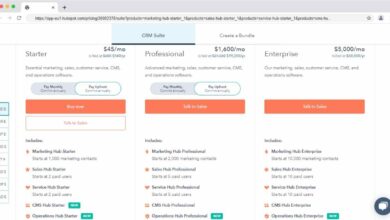
HubSpot: User-Friendly and Automated
HubSpot stands out for its simplicity and automation. Its import tool guides users through each step with clear instructions and real-time feedback. You can import CRM contacts directly from Excel, CSV, or even LinkedIn Sales Navigator.
- Automatic field detection and mapping
- Smart duplicate detection
- Seamless integration with marketing campaigns
HubSpot also allows you to assign imported contacts to specific workflows or lists immediately after upload, making it ideal for inbound marketing teams.
Zoho CRM: Affordable and Feature-Rich
Zoho CRM offers robust import capabilities even in its free tier. It supports bulk imports, custom modules, and multi-step approval workflows. One standout feature is its AI-powered assistant, Zia, which can predict field mappings and suggest corrections.
Import CRM Contacts – Import CRM Contacts menjadi aspek penting yang dibahas di sini.
- Drag-and-drop file upload
- Pre-import data preview
- Support for over 30 file formats
Zoho also integrates with Gmail, Outlook, and social media platforms, allowing you to import CRM contacts from multiple sources into one unified database.
Common Mistakes to Avoid When You Import CRM Contacts
Even experienced professionals make errors when importing CRM contacts. These mistakes can lead to data loss, compliance issues, or broken customer relationships. Here are the most common pitfalls and how to avoid them.
Failing to Clean Data Before Import
Dirty data—duplicate entries, incomplete fields, inconsistent formatting—is the number one cause of CRM inefficiency. A study by Gartner found that poor data quality costs businesses an average of $12.9 million annually.
Before importing CRM contacts, clean your data by:
- Removing duplicate rows
- Filling in missing required fields
- Standardizing address and phone number formats
- Validating email addresses using tools like ZeroBounce or Hunter.io
“Data quality is not a one-time task—it’s an ongoing discipline.” — Gartner Research
Ignoring GDPR and Data Privacy Laws
Importing CRM contacts without proper consent can violate regulations like the General Data Protection Regulation (GDPR) or the California Consumer Privacy Act (CCPA). Always ensure that:
- You have explicit permission to store and use the contact’s data
- You provide an opt-out option in all communications
- You document consent sources (e.g., signup forms, event registrations)
If you’re importing legacy data from old systems, verify that it complies with current privacy standards. Non-compliance can result in fines up to 4% of global revenue.
Overlooking CRM Field Limits and Constraints
Every CRM has technical limitations—maximum character counts, required fields, data type restrictions. For example, a “Phone” field might only accept 15 digits. If your file contains longer numbers, the import will fail.
Import CRM Contacts – Import CRM Contacts menjadi aspek penting yang dibahas di sini.
To avoid this:
- Review your CRM’s field specifications before preparing your file
- Truncate long text fields to fit limits
- Ensure date formats match your CRM’s settings (e.g., MM/DD/YYYY vs DD/MM/YYYY)
Some CRMs allow you to customize field lengths, but this often requires admin access or developer intervention.
How to Automate the Process to Import CRM Contacts
Manual imports are time-consuming and prone to error. The future of CRM data management lies in automation. By setting up automated workflows, you can import CRM contacts seamlessly from various sources—without lifting a finger.
Use Zapier to Connect Apps and Trigger Imports
Zapier is a powerful automation tool that connects over 5,000 apps. You can create a “Zap” that automatically imports CRM contacts whenever a new form is submitted, a deal is closed, or a lead is captured.
- Create a trigger (e.g., “New Google Form response”)
- Set an action (e.g., “Add contact to HubSpot CRM”)
- Map fields and activate the workflow
This eliminates the need to manually export and upload files. Learn how to set it up at Zapier CRM Integrations.
Leverage Native CRM APIs for Real-Time Syncing
For businesses with technical resources, using a CRM’s API (Application Programming Interface) allows real-time data synchronization. For example, you can build a script that pulls new leads from your website and pushes them directly into Salesforce every hour.
- More control over data flow
- Supports complex logic and filtering
- Enables bi-directional sync between systems
Popular CRMs like Microsoft Dynamics and Pipedrive offer well-documented APIs with SDKs for Python, JavaScript, and PHP.
Import CRM Contacts – Import CRM Contacts menjadi aspek penting yang dibahas di sini.
Implement Scheduled Imports with ETL Tools
ETL (Extract, Transform, Load) tools like Stitch or Fivetran are ideal for companies with large, complex data ecosystems. These tools extract data from multiple sources (databases, CRMs, marketing platforms), transform it into a standardized format, and load it into your CRM on a schedule.
- Run daily, weekly, or hourly imports
- Automatically clean and enrich data
- Monitor import success via dashboards
While ETL tools require setup, they pay off in long-term efficiency and scalability.
Best Practices for Maintaining Imported CRM Contacts
Importing CRM contacts is just the beginning. To get lasting value, you need to maintain your database actively. A stagnant CRM loses relevance quickly as people change jobs, emails bounce, and phone numbers expire.
Schedule Regular Data Audits
Set a recurring calendar event—monthly or quarterly—to review your CRM data. Look for:
- Duplicate records
- Inactive or outdated contacts
- Bounced email addresses
- Missing key information (e.g., company size, industry)
Many CRMs offer built-in audit reports. Use them to identify problem areas and assign cleanup tasks to team members.
Enable Duplicate Prevention Rules
Most modern CRMs allow you to set rules that prevent duplicate entries during import or manual entry. For example, you can configure your system to block a new contact if an email address already exists.
- Define matching criteria (email, phone, company + name)
- Set up merge workflows for near-duplicates
- Use fuzzy matching for slight variations (e.g., “Bob” vs “Robert”)
This keeps your database lean and accurate, reducing confusion for sales reps.
Import CRM Contacts – Import CRM Contacts menjadi aspek penting yang dibahas di sini.
Integrate with Email Verification Services
Even verified emails can go stale. Integrate your CRM with services like NeverBounce, Clearbit, or ZeroBounce to automatically validate email addresses during or after import.
- Flag invalid or risky emails
- Improve email deliverability rates
- Protect sender reputation
Some tools offer real-time verification APIs that check emails as they’re entered, preventing bad data at the source.
Advanced Tips for Scaling Your CRM Contact Imports
As your business grows, so does your data. What worked for 1,000 contacts may fail at 100,000. Here are advanced strategies to scale your ability to import CRM contacts efficiently and securely.
Segment Contacts During Import
Don’t treat all contacts the same. Use custom fields or tags to segment contacts as you import them. For example:
- Tag contacts by source (webinar, trade show, referral)
- Assign lead scores based on engagement level
- Group by region or industry for targeted campaigns
This enables smarter routing, personalized messaging, and better analytics down the line.
Use Webhooks for Instant Data Syncing
Webhooks are lightweight APIs that send real-time notifications when an event occurs. For instance, when a user signs up on your website, a webhook can instantly push that contact to your CRM without waiting for a scheduled import.
- Reduces data latency
- Enables immediate follow-up actions
- Supports event-driven marketing automation
Platforms like ActiveCampaign and Keap offer native webhook support for instant CRM updates.
Import CRM Contacts – Import CRM Contacts menjadi aspek penting yang dibahas di sini.
Train Your Team on Import Protocols
Even the best tools fail if users don’t follow proper procedures. Create a standard operating procedure (SOP) for importing CRM contacts and train all relevant staff.
- Define who can import data and under what conditions
- Document file preparation and validation steps
- Establish a review process for large imports
Regular training ensures consistency and reduces the risk of human error.
Future Trends in CRM Contact Management and Importing
The way we import CRM contacts is evolving rapidly. Driven by AI, automation, and stricter data laws, the future belongs to intelligent, compliant, and seamless data integration.
AI-Powered Data Enrichment at Import
Imagine uploading a CSV file and having your CRM automatically enrich each contact with job title, company size, social profiles, and even sentiment analysis. AI tools like Clearbit and Lusha are already doing this.
- Fill in missing data using public sources
- Identify decision-makers within target accounts
- Update records in real time based on online activity
In the near future, AI will not just assist imports—it will predict which contacts are most likely to convert.
Zero-Trust Data Verification Models
With rising cyber threats and privacy concerns, CRMs are adopting zero-trust models. This means every imported contact must be verified through multiple layers—consent logs, IP tracking, and behavioral validation—before being accepted into the system.
- Reduces fake or spam entries
- Ensures compliance with global regulations
- Improves overall data trustworthiness
This trend will make importing CRM contacts more secure but also more complex.
Import CRM Contacts – Import CRM Contacts menjadi aspek penting yang dibahas di sini.
Blockchain for Immutable Contact Histories
Emerging blockchain-based CRMs are experimenting with immutable contact logs. Once a contact is imported, every interaction—calls, emails, meetings—is recorded on a tamper-proof ledger.
- Enhances auditability and compliance
- Prevents data manipulation
- Builds trust in customer relationship records
While still in early stages, this could revolutionize how businesses manage customer data in regulated industries.
How do I prevent duplicates when I import CRM contacts?
To prevent duplicates, enable duplicate detection rules in your CRM before importing. Most platforms allow you to set criteria (like email or phone number) to flag or block matching records. You can also use tools like deduplication software or merge workflows to clean up existing duplicates prior to import.
Can I import CRM contacts from LinkedIn?
Yes, you can import CRM contacts from LinkedIn, but with limitations. LinkedIn’s API restricts bulk exports due to privacy policies. However, tools like LinkedIn Sales Navigator or third-party extensions (e.g., ContactOut, Waalaxy) allow you to export limited contact data and import it into your CRM, provided you have proper consent.
What file formats are supported for importing CRM contacts?
Import CRM Contacts – Import CRM Contacts menjadi aspek penting yang dibahas di sini.
Most CRMs support CSV and Excel (.xlsx) formats for importing CRM contacts. Some also accept Google Sheets, vCard, or JSON files. Always check your CRM’s documentation for specific format requirements and size limits.
How often should I clean my CRM contact database?
It’s recommended to clean your CRM contact database every 3 to 6 months. Regular audits help remove outdated, duplicate, or invalid records, ensuring your sales and marketing teams work with accurate, high-quality data.
Is it safe to automate CRM contact imports?
Yes, automating CRM contact imports is safe if done correctly. Use trusted integration tools (like Zapier or native APIs), implement validation checks, and ensure compliance with data privacy laws. Always monitor automated workflows for errors and set up alerts for failed imports.
Importing CRM contacts is far more than a technical task—it’s a strategic lever for growth. From choosing the right tools to avoiding common pitfalls and embracing automation, every step impacts your business’s ability to connect, convert, and retain customers. By following best practices and staying ahead of trends, you can turn your CRM into a powerful engine for sales success. Start small, test often, and scale with confidence.
Further Reading: